Dental implants are a remarkable solution for replacing missing teeth, offering a strong, stable, and natural-looking foundation that can last a lifetime. While they are renowned for their durability and success rate, it's crucial to remember that their longevity heavily depends on consistent and proper care. Think of your dental implants not just as an investment in your smile, but as a commitment to ongoing oral health. Just like natural teeth, implants require diligent attention to prevent potential issues and ensure they continue to function beautifully for many years to come.
Daily Oral Hygiene: The Foundation of Implant Care
The cornerstone of dental implant maintenance begins with your daily oral hygiene routine. While implants aren't susceptible to cavities like natural teeth, the surrounding gum tissue and bone can still be affected by plaque and bacteria, leading to conditions like peri-implantitis (a form of gum disease specific to implants). Adopting a meticulous daily routine is paramount.
Brushing Techniques
Brush your dental implants just as you would your natural teeth – at least twice a day for two minutes each time. Use a soft-bristled toothbrush, or an electric toothbrush designed for sensitive gums, and a non-abrasive toothpaste. Focus on the area where the implant crown meets the gum line, gently angling the bristles to clean all surfaces effectively. Aggressive brushing can irritate the gums, so a gentle but thorough approach is best.
Flossing and Interdental Cleaning
Flossing is non-negotiable for cleaning around dental implants. Traditional dental floss can be effective, but specialized implant-specific floss, which is thicker and softer, can make cleaning easier and more comprehensive. Threaders can assist in getting floss under fixed bridges or around individual crowns. Water flossers (oral irrigators) are also highly recommended. They can effectively dislodge food particles and plaque from hard-to-reach areas around implants and beneath the gum line, promoting healthier gum tissue without causing trauma.
Mouthwash Use
An antimicrobial, alcohol-free mouthwash can be a beneficial addition to your daily routine. It helps reduce bacteria in the mouth and can freshen breath. Always choose an alcohol-free option, as alcohol can dry out oral tissues and potentially irritate the gums around your implants.
Regular Professional Check-ups and Cleanings
While daily home care is vital, it cannot fully replace the expert attention of a dental professional. Regular visits to your dentist and hygienist are essential for the long-term success of your dental implants.
Why Professional Care Matters
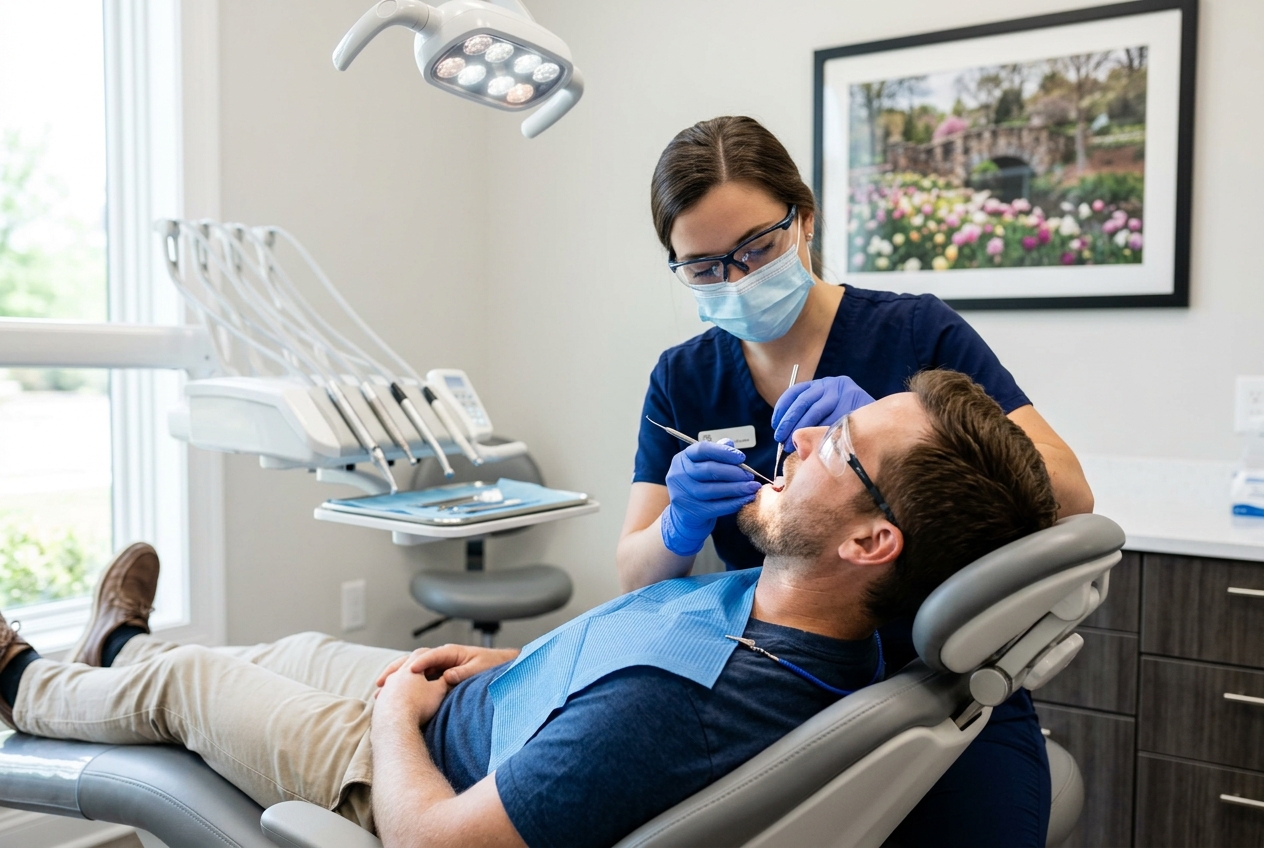
During these appointments, our team at Piedmont Dental will thoroughly examine your implants, the surrounding gum tissue, and your bite. They can identify any early signs of inflammation or bone loss that might not be apparent to you. Specialized instruments are used to clean around implants, ensuring that no damage is done to the implant surface or its connection to the bone. Traditional metal scaling tools can scratch implant surfaces, making them more prone to plaque accumulation. Therefore, plastic or titanium instruments are often preferred by hygienists when cleaning implants.
Frequency of Visits
Typically, patients with dental implants are advised to have professional cleanings and check-ups every six months, though some individuals may require more frequent visits depending on their oral health status and risk factors. These visits allow for professional plaque and calculus removal, polishing, and a comprehensive assessment of your implant's stability and the health of surrounding tissues.
Dietary Considerations and Lifestyle Habits
What you eat and certain lifestyle choices can also impact the longevity of your dental implants.
Mind Your Diet
While dental implants are incredibly strong, it's wise to avoid excessively hard, sticky, or chewy foods that could potentially put undue stress on them, especially soon after placement. A balanced diet rich in vitamins and minerals supports overall oral health, which in turn benefits your implants and natural teeth.
Avoid Harmful Habits
Smoking is a significant risk factor for implant failure. It constricts blood vessels, impairs healing, and increases the risk of peri-implantitis. If you smoke, quitting is one of the best things you can do for your implants and your overall health. https://the-taylored-lawns-team.bearsfanteamshop.com/guiding-your-child-through-their-first-orthodontic-consultation Additionally, if you grind or clench your teeth (bruxism), a custom-fitted night guard can protect your implants and natural teeth from excessive force, preventing potential damage.
Recognizing and Addressing Potential Issues
Pay attention to any changes in or around your dental implants. While implants are designed for durability, early detection of problems can prevent more serious complications.
Signs to Watch For
Contact Piedmont Dental immediately if you notice any of the following:

- Persistent pain or discomfort around the implant site.Swelling or redness of the gums surrounding the implant.Bleeding when brushing or flossing around the implant.A feeling that the implant is loose or mobile.Pus discharge from the gum tissue near the implant.
These could be indicators of peri-implantitis or other issues that require prompt professional attention. Ignoring these symptoms can lead to bone loss and potential implant failure.
Conclusion
Caring for your dental implants is a lifelong commitment that pays dividends in a healthy, confident smile. By adhering to a rigorous daily oral hygiene routine, attending regular professional check-ups, making mindful dietary choices, and avoiding harmful habits, you can significantly extend the life of your implants. Our dedicated team at Piedmont Dental is here to support you every step of the way, ensuring your dental implants remain a successful and lasting part of your oral health for years to come.