Oral cancer screenings are often a quick and unassuming part of your routine dental check-up, yet their importance cannot be overstated. Often overshadowed by cavity fillings and cleanings, these screenings play a crucial role in the early detection and successful treatment of oral cancer. Understanding why these examinations are so vital is the first step towards prioritizing your overall health.
Oral cancer, also known as mouth cancer, can develop in any part of the oral cavity, including the lips, gums, tongue, inner lining of the cheeks, roof of the mouth, and floor of the mouth. It can also occur in the oropharynx, which is the part of the throat just behind the mouth. Like many cancers, early detection significantly improves the chances of successful treatment and survival. Unfortunately, due to a lack of awareness or noticeable symptoms in its initial stages, oral cancer is often diagnosed in later stages when it has spread and become more difficult to treat.
Understanding the Risk Factors
While oral cancer can affect anyone, certain risk factors increase an individual's susceptibility. The most prominent risk factors include:
- Tobacco Use: Smoking cigarettes, cigars, pipes, and using smokeless tobacco products (chewing tobacco, snuff) are major contributors. Heavy Alcohol Consumption: Excessive and regular alcohol intake, especially when combined with tobacco use, significantly elevates risk. Human Papillomavirus (HPV): Certain strains of HPV, particularly HPV-16, are increasingly linked to oral and oropharyngeal cancers. Excessive Sun Exposure: Prolonged exposure to sunlight, particularly on the lips, can increase the risk of lip cancer. Age: The risk of oral cancer increases with age, with most cases occurring in individuals over 40. Poor Nutrition: A diet lacking in fruits and vegetables may also play a role.
Even without these risk factors, regular screenings remain important as approximately 25% of oral cancers occur in people with no known risk factors.
Recognizing Potential Signs and Symptoms
One of the challenges with oral cancer is that its early signs can be subtle and easily mistaken for less serious conditions. This is why a professional screening is so valuable. However, being aware of potential symptoms can prompt you to seek an examination sooner. Look out for:
- A persistent sore, irritation, lump, or thick patch in your mouth, lip, or throat.White or red patches in your mouth (leukoplakia or erythroplakia).Difficulty chewing, swallowing, speaking, or moving your jaw or tongue.Numbness or tenderness in any area of your mouth, face, or neck.A change in the way your teeth fit together or the fit of dentures.Unexplained bleeding in the mouth.A persistent sore throat or hoarseness.Unexplained weight loss.
If you notice any of these symptoms persisting for more than two weeks, it's crucial to consult with a dental professional immediately.
The Oral Cancer Screening Process at Piedmont Dental
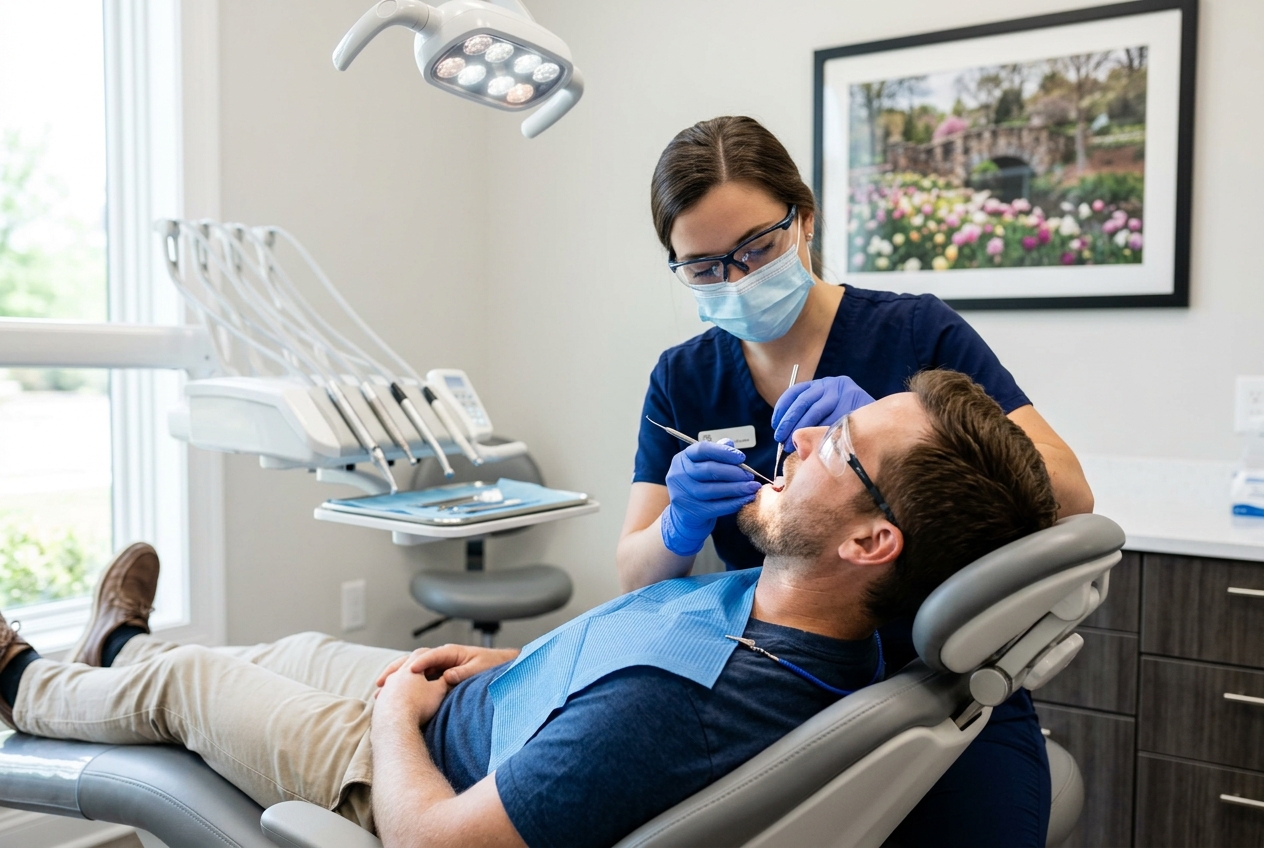
An oral cancer screening is a quick, painless, and non-invasive procedure that our team at Piedmont Dental performs as part of your comprehensive dental examination. It typically involves two main parts:
1. Visual Examination
Your dentist will carefully examine your entire mouth, including your lips, tongue, cheeks, gums, the roof of your mouth, and the back of your throat. We'll be looking for any asymmetries, swelling, bumps, lumps, discoloration, ulcers, or any other abnormalities. We also look for changes in tissue texture or color that might indicate a problem.
2. Tactile Examination
During the tactile examination, your dentist will gently feel around your neck and under your jaw for any unusual lumps, tenderness, or swollen lymph nodes. We will also feel inside your mouth, along the floor and sides, to detect any hidden abnormalities that may not be visible.
The entire screening process usually takes only a few minutes, but it can make a life-saving difference.
The Power of Early Detection
Early detection is the cornerstone of successful oral cancer treatment. When oral cancer is identified in its earliest stages, before it has had a chance to spread to other parts of the body, the survival rate dramatically increases. Treatment options are often less invasive, and the quality of life post-treatment is significantly better. Conversely, when oral cancer is diagnosed in advanced stages, treatment becomes more complex, and the prognosis often declines. Regular screenings ensure that any suspicious areas are identified and investigated promptly, giving you the best possible outcome.
Who Should Be Screened and How Often?
The recommendation is that all adults should receive regular oral cancer screenings. While individuals with known risk factors might be advised to have more frequent checks, a baseline screening should be a standard part of everyone's annual or bi-annual dental check-up. This consistent approach allows your dental professional to monitor your oral health over time and quickly identify any changes.
Beyond Screening: Prevention Strategies
While screenings are vital for early detection, proactive prevention is equally https://taylored-lawns-tree-service.image-perth.org/protecting-your-enamel-a-comprehensive-guide-to-stronger-healthier-teeth important. You can reduce your risk of oral cancer by:
- Avoiding all forms of tobacco.Limiting alcohol consumption.Practicing safe sun habits, especially on your lips, by using lip balm with SPF.Maintaining a healthy, balanced diet rich in fruits and vegetables.Getting vaccinated against HPV if you are in the recommended age group.Practicing good oral hygiene and visiting your dentist regularly.
Your oral health is intrinsically linked to your overall well-being. Regular oral cancer screenings are a simple yet powerful tool in safeguarding your health and detecting potential issues before they become life-threatening. Don't underestimate the importance of these routine checks. At Piedmont Dental, our team is committed to providing comprehensive care that includes vital screenings, ensuring you maintain optimal oral and general health. Make sure to discuss any concerns you have with our team during your next visit.