Dental crowns are a cornerstone of modern restorative dentistry, offering a robust and aesthetically pleasing solution for a variety of dental issues. Often referred to as "caps," these custom-made coverings are designed to encase the entire visible portion of a https://charlotte-home-pros.timeforchangecounselling.com/recovery-after-dental-implant-surgery-what-to-expect damaged tooth, restoring its shape, size, strength, and appearance. At Piedmont Dental, our team understands that knowing when a dental crown is necessary can be confusing. This article aims to demystify the process and explain the common scenarios where a dental crown becomes a vital treatment option for maintaining your oral health.
What Exactly is a Dental Crown?
A dental crown is essentially a permanent cover that is cemented onto a prepared tooth or dental implant. It acts as a protective shield, strengthening a weakened tooth and improving its functionality and aesthetics. Crowns can be made from various materials, including porcelain, ceramic, zirconia, metal alloys, or a combination of these, such as porcelain-fused-to-metal (PFM). The choice of material often depends on the tooth's location, the patient's preferences, and the specific dental needs.
Key Situations Requiring a Dental Crown
Extensive Tooth Decay
When tooth decay is so severe that a standard filling cannot adequately restore the tooth's structure, a dental crown is often the best solution. A filling might not be strong enough to hold the tooth together or protect it from further damage. A crown provides comprehensive coverage, holding together parts of a cracked tooth and protecting it from further decay or fracture.
Cracked or Broken Tooth
Accidents, trauma, or even biting down on something hard can lead to a cracked or broken tooth. Depending on the extent of the damage, a crown can be used to restore the tooth's integrity, prevent the crack from spreading, and alleviate pain. It provides a protective barrier that allows the tooth to function normally without discomfort.
After a Root Canal
A tooth that has undergone root canal therapy often becomes more brittle and susceptible to fracture because the pulp, which provides nourishment, has been removed. To protect this weakened tooth from future damage and restore its strength, a dental crown is almost always recommended. It ensures the long-term success of the root canal treatment.
Large, Failing Fillings
Over time, large fillings can weaken a tooth, especially if they make up a significant portion of the tooth structure. When an existing filling is old, compromised, or begins to fail, replacing it with another large filling might not be sufficient. In such cases, a dental crown can provide the necessary strength and protection to prevent the tooth from fracturing.
Cosmetic Enhancement
While primarily a restorative treatment, dental crowns also play a significant role in cosmetic dentistry. They can be used to cover severely discolored or misshapen teeth, close gaps, or restore a tooth to its ideal size and shape, significantly improving the smile's overall appearance. This is particularly useful for front teeth where aesthetics are paramount.
Supporting a Dental Bridge
When replacing one or more missing teeth with a dental bridge, crowns are essential. The teeth adjacent to the gap (abutment teeth) are prepared and crowned to serve as anchors for the bridge, securely holding the artificial teeth (pontics) in place. This provides a stable and long-lasting solution for tooth replacement.
Dental Implants
For individuals opting for dental implants to replace missing teeth, a dental crown serves as the final, visible restoration. Once the implant post has fused with the jawbone, a custom-made crown is attached to the implant abutment, creating a natural-looking and fully functional tooth that blends seamlessly with the surrounding teeth.
The Dental Crown Process at Piedmont Dental
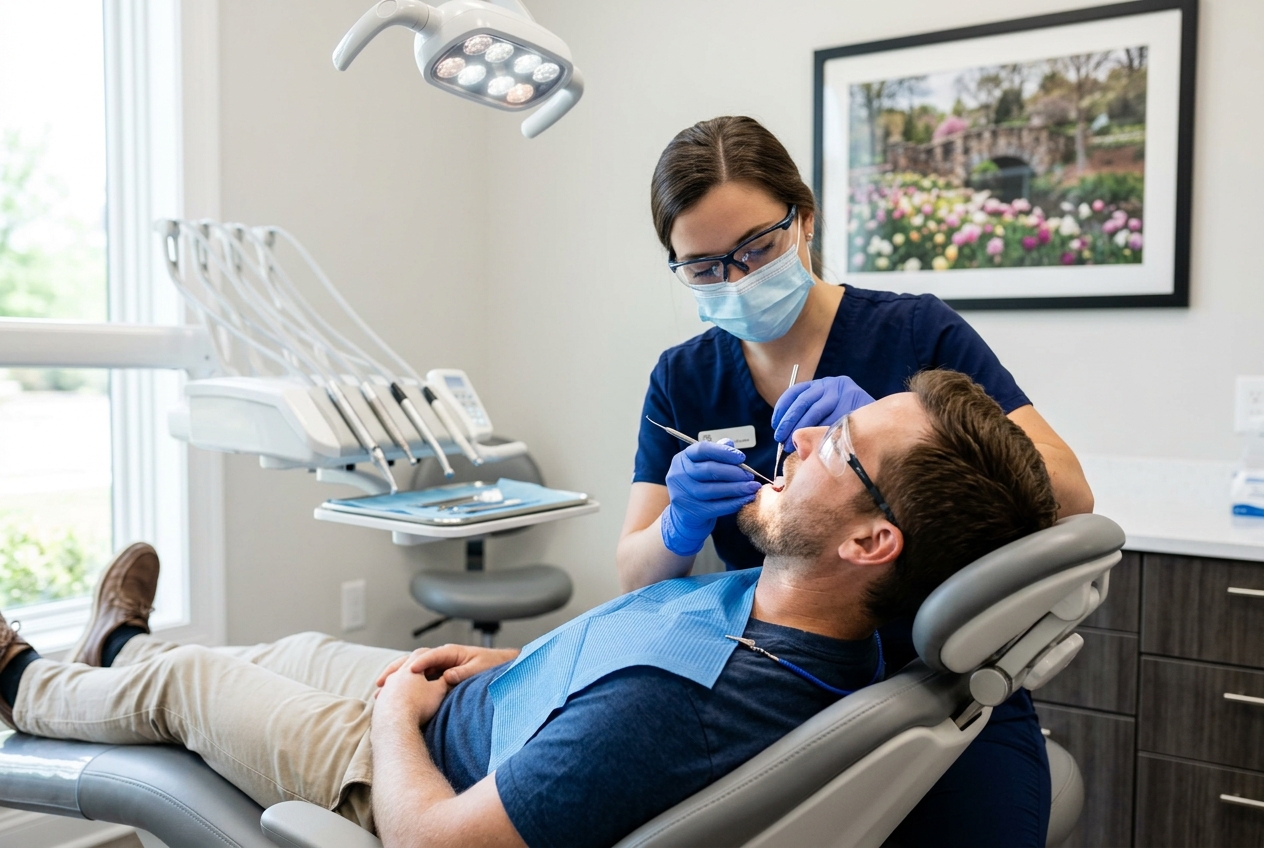
If our team determines that a dental crown is the best option for your situation, the process typically involves two appointments. During the first visit, the tooth is prepared by gently reshaping it to make room for the crown. An impression of your tooth is then taken, which is sent to a dental lab to custom-fabricate your permanent crown. A temporary crown is placed to protect your tooth while you wait. In your second visit, the temporary crown is removed, and your custom-made permanent crown is meticulously fitted and permanently bonded to your tooth, ensuring a comfortable and aesthetic result.
Choosing the Right Crown Material
The material chosen for your crown is an important decision. Porcelain and ceramic crowns are popular for their natural, tooth-like appearance, making them ideal for front teeth. Zirconia offers exceptional strength and durability, often preferred for back teeth that endure heavy chewing forces. Metal crowns (gold alloys, base-metal alloys) are highly durable and long-lasting but are less aesthetic, typically used for molars. Porcelain-fused-to-metal (PFM) crowns offer a balance of strength and aesthetics. Our team at Piedmont Dental will discuss the pros and cons of each material, helping you make an informed decision based on your specific needs and preferences.
Caring for Your Dental Crown
Once your dental crown is in place, caring for it is similar to caring for your natural teeth. Regular brushing twice a day, daily flossing (paying special attention to the gum line around the crown), and routine dental check-ups are crucial. While crowns are durable, they are not indestructible. Avoiding chewing on extremely hard foods or objects (like ice or popcorn kernels) can help extend the life of your crown. With proper care, a dental crown can last for many years, often 10-15 years or even longer.
Is a Dental Crown Right For You?
Deciding if a dental crown is the appropriate treatment requires a thorough examination and discussion with a dental professional. If you are experiencing tooth pain, sensitivity, or have visible damage, it's important to schedule a consultation. Our experienced team can assess your oral health, discuss your options, and recommend the most effective treatment plan to restore your smile and maintain optimal oral health.

Dental crowns are a versatile and effective solution for preserving and restoring damaged teeth. By understanding when a dental crown is needed, you can make informed decisions about your dental care. Don't hesitate to reach out to a trusted dental practice like Piedmont Dental for expert guidance and care tailored to your unique needs.